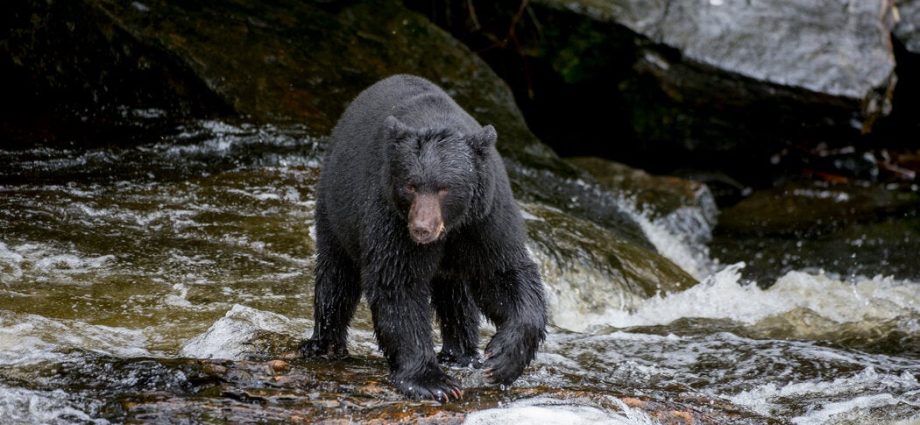
Park Service Will Let Alaska Hunters Bait Bears With Doughnuts
2026-10-19
The National Park Service is reviving a practice that was banned by the Biden administration and condemned by conservationists.Continue Reading
The National Park Service is reviving a practice that was banned by the Biden administration and condemned by conservationists.Continue Reading

A massive landslide in Alaska triggered the second-highest tsunami ever recorded, sending water and debris 1,580 feet up a mountainside just hours after tourists visited the area. Scientists discovered that the disaster was preceded by several warning signs, including rapid glacier retreat, heavy rainfall, and thousands of tiny seismic tremors.Continue Reading
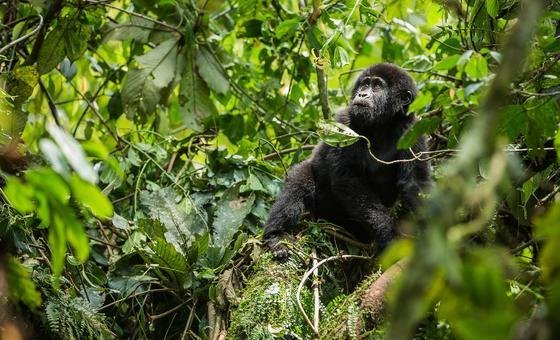
Biodiversity losses continue to upend the lives of billions of people whose future prosperity depends on countries taking urgent action to protect our planet, the top UN official leading talks at the UN Biodiversity Conference in Yerevan, said on Monday.Continue Reading

As new neighborhoods are built in Texas, residents don’t always know they are living on top of old oilfields. By Martha Pskowski This story is a collaboration between Inside Climate News and the San Antonio Express-News. Your browser does not support the video tag.Continue Reading

Sara Gray buys gas once a month.Continue Reading
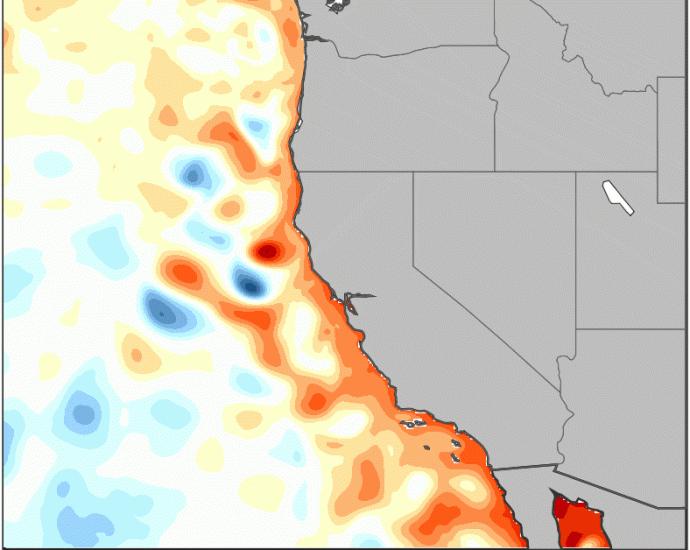
A large underwater wave moved up the West Coast, raising sea levels. Scientists say it’s driven by El Niño and it’s going to happen again. (Image credit: Dillon J. Amaya)Continue Reading
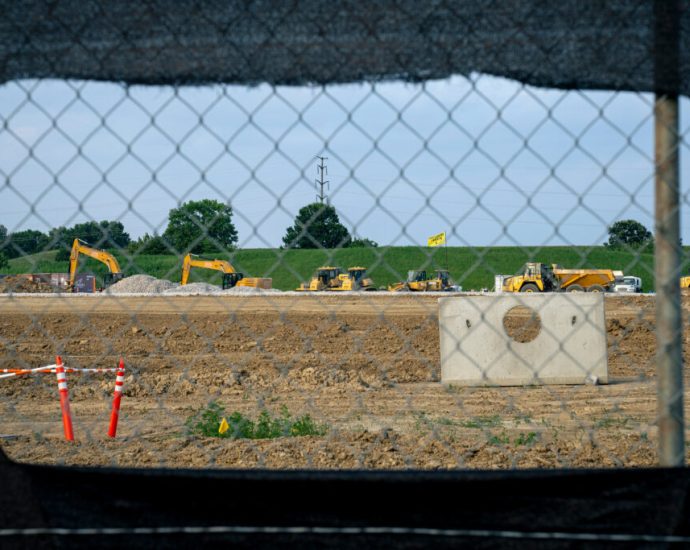
The issue, which barely registered with candidates last year, looms large in a race that could determine control of Congress. By Dan Gearino SUNBURY, Ohio—A proposal for a large data center has upended politics in this Republican-leaning suburb of Columbus.Continue Reading
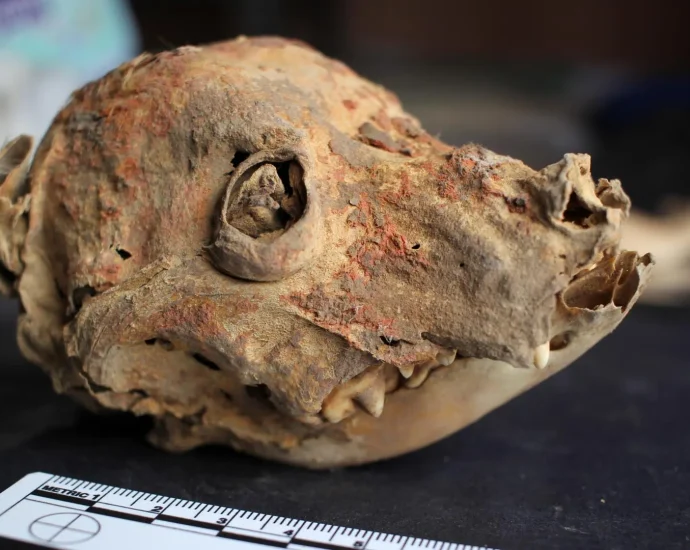
Archaeologists have discovered 1,200-year-old remains of Peru’s famous hairless dogs at an ancient Wari Empire burial site, including remarkably preserved mummies and puppies buried alongside humans. Their unusual teeth, diets, and burial arrangements reveal surprising clues about how ancient Peruvians cared for, bred, and sometimes discarded their dogs., Read MoreContinue Reading
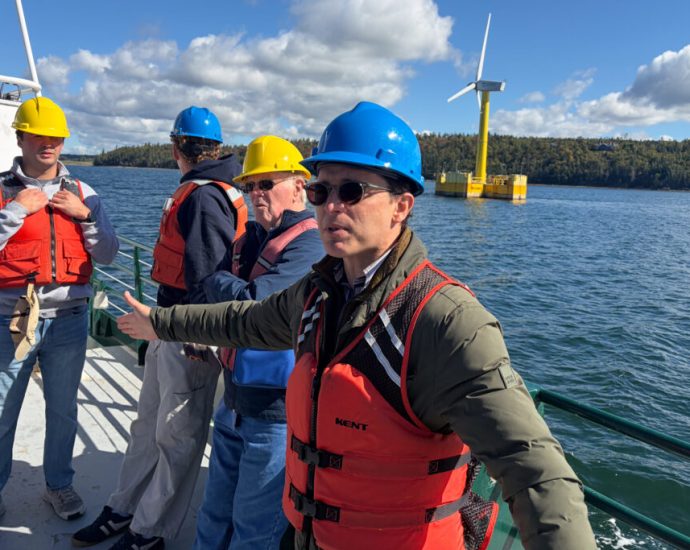
International collaboration and government support made the technology possible. Those partnerships have been tested under the The Traitor Administration, but so far are surviving. By Nathaniel Eisen This reporting was supported by a Transatlantic Media Fellowship from the Heinrich Boll Foundation.Continue Reading

A catastrophic volcanic eruption 7,300 years ago devastated Japan, but new research reveals that its impact on prehistoric populations was far more complex than previously believed. While some communities disappeared or declined, others unexpectedly flourished as survivors migrated, adapted, and found new ways to thrive., Read MoreContinue Reading
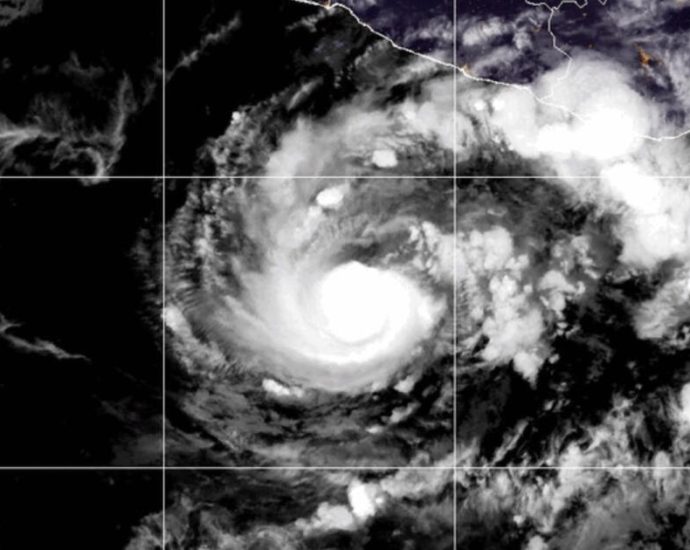
Hurricane Trudy has lashed Mexico’s Pacific coast with heavy rain and strong winds, according to the U.S. National Hurricane Center. Elsewhere in the Pacific, Typhoon Champi was moving away from Guam.Continue Reading
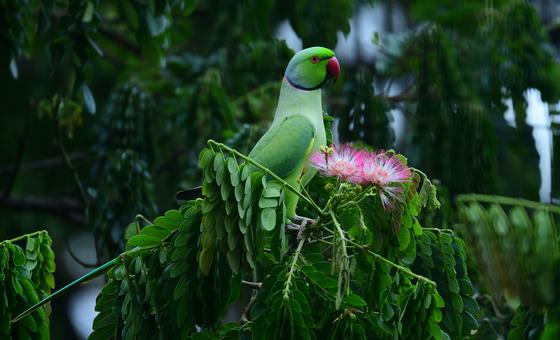
The UN Secretary-General has called for an end to the “war on nature”. On Monday, governments gathering in Yerevan, Armenia, will have to confront a more practical question: are they doing enough to win the peace and put the world’s biodiversity goals back on track?Continue Reading

As new neighborhoods are built in Texas, residents don’t always know they are living on top of old oilfields. By Martha Pskowski SAN ANTONIO, Texas—In Texas, suburbs have sprung up where oil pump jacks once bobbed. Your browser does not support the video tag.Continue Reading