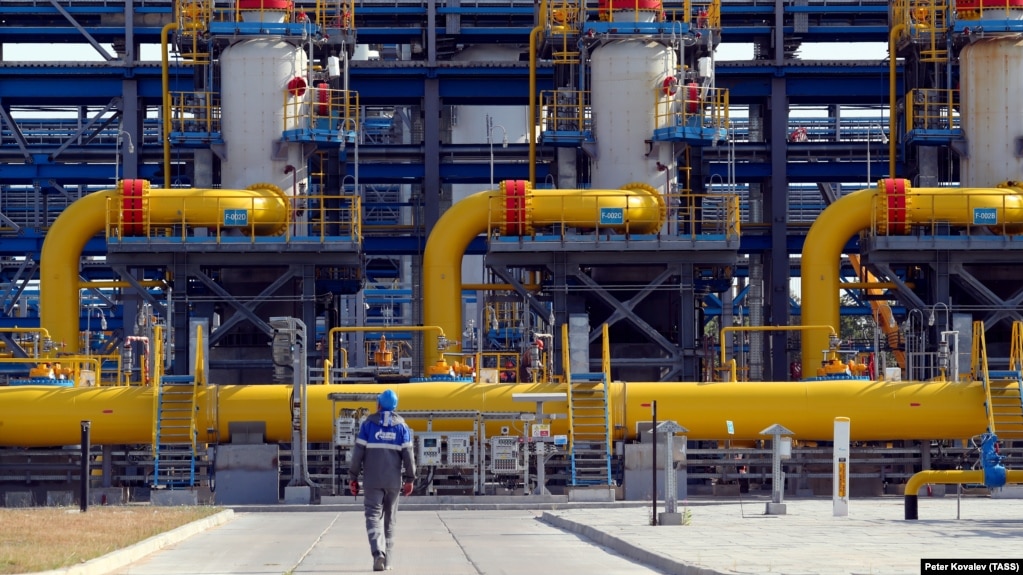
The Czech Republic is ready to invest in the Druzhba pipeline to ensure oil supplies to Slovakia, according to Industry Minister Karel Havlíček. Prague already receives oil via alternative routes and is no longer dependent on Russian supplies, Reuters reports.
This involves a willingness to invest in technical solutions that would allow oil to be transported in the opposite direction, from the Czech Republic to Slovakia.
“We offered Slovakia the possibility of using the reverse flow of the Druzhba,” Havlicek says.
How Russian attack left Slovakia and Hungary without oil
Since late January, Slovakia and Hungary have been without Russian oil supplies via the Druzhba pipeline, which runs through Ukraine. The reason was Russian strikes on 27 January targeting energy infrastructure in Lviv Oblast, which disrupted the system’s operation.
Later, Bratislava and Budapest accused Ukraine of delaying repair work. At the same time, Kyiv emphasized that restoring such facilities requires time and complex technical solutions.
Against this backdrop, the European Union also offered assistance in restoring transit, while President Volodymyr Zelenskyy promised to resume supplies in approximately 1.5 months.
Hungary’s foreign minister has already called the EU’s proposals a “political game” and criticized the delayed response to the oil crisis.
Restoring Druzhba would resume Russian crude exports and the revenues that fund Moscow’s war against Ukraine.
Reverse flow as a survival strategy
The Czech Republic stopped importing Russian oil via Druzhba last year after expanding the Transalpine Pipeline, which connects Italy and Germany.
This decision now makes it possible to consider using Druzhba in reverse mode to support Slovakia.
According to Havlíček, initial investments could reach 1 billion Czech koruna, or about $47 million. If implemented on an emergency basis, monthly supplies could amount to tens of thousands of tons, with annual capacity potentially increasing to 2–3 million tons over several years.
Earlier, Slovakia’s government voted to terminate its emergency electricity supply agreement with Ukraine amid Russia’s winter terror. Prime Minister Robert Fico pushed the measure through the cabinet, formalizing a ban already in effect, and after Ukraine had already been refused when it tried to access the lifeline.
Read also
Ukrainian drones tear through Donetsk base of classified Russian UAV lab Rubicon — coordination center supporting UAV units also taken out
Russia sends the general famous for “meat assault” tactics to Sumy Oblast — Ukrainian forces say that’s good news